10 min read
Akrylic
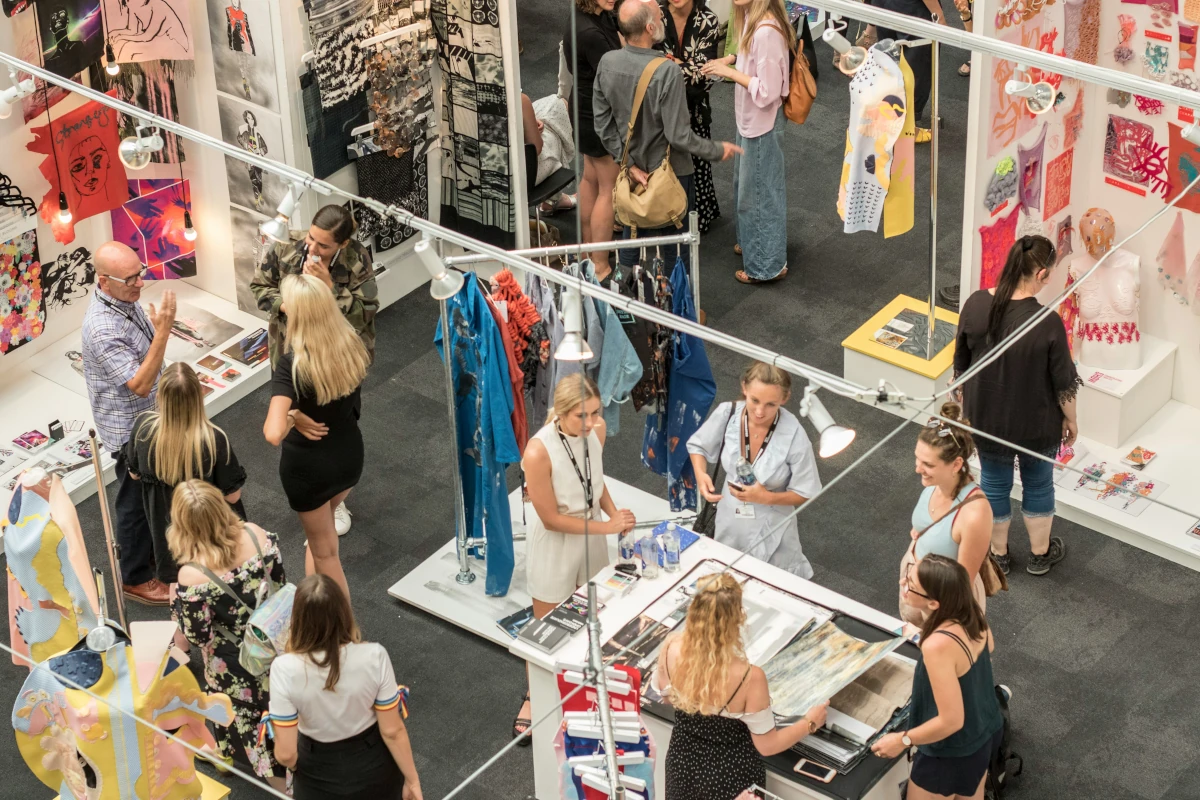
Many artists cringe when they hear the word networking.
It can sound transactional, self-promotional, or like something reserved for extroverts who enjoy working a room full of strangers. Yet some of the most successful artists, whether emerging, mid-career, or established, have built their careers through relationships as much as through their artwork.
Networking isn't about collecting business cards or constantly pitching yourself. At its best, networking is simply the process of building genuine relationships with people who share your interests, values, and goals. Over time, those relationships can lead to opportunities, collaborations, exhibitions, mentorship, commissions, sales, and long-term career growth.
For artists, networking is less about "who you know" and more about becoming part of a community.
Art careers rarely develop in isolation.
While creating strong work is essential, opportunities often arise through conversations, introductions, recommendations, and relationships.
A curator hears about your work from another artist. A collector discovers your artwork through a gallery owner. A publisher is introduced to your portfolio by someone they've worked with before. An exhibition opportunity emerges because someone remembered meeting you at an opening six months earlier.
These opportunities don't usually come from aggressive self-promotion. They emerge from trust and familiarity built over time.
Networking can help artists:
Perhaps most importantly, networking helps artists feel less isolated. Building a creative career can often feel solitary, and a strong professional community provides support, encouragement, and perspective during both successes and setbacks.
Many artists separate networking from sales, but the two are often closely connected.
Most collectors don't purchase artwork solely because they saw an image online. They often buy because they feel a connection to the work, the story behind it, or the artist themselves.
Relationships help create trust.
A collector who has met you at an exhibition opening, followed your work for several years, or exchanged a few meaningful conversations with you may feel significantly more comfortable purchasing artwork than someone encountering your work for the first time.
Networking can also increase the number of people who encounter your work.
Gallery owners recommend artists they know.
Collectors introduce artists to friends.
Curators remember artists who engage thoughtfully with their programs.
Writers and journalists often feature artists they have encountered through professional circles.
The goal isn't to view every interaction as a potential sale. In fact, that mindset can make networking feel forced. Instead, focus on building authentic relationships. Sales often become a natural byproduct of visibility, trust, and consistency.
One of the most influential concepts in networking research is sociologist Mark Granovetter's theory of the "strength of weak ties."
Most people assume their closest friends and strongest connections are the most valuable sources of opportunity. Surprisingly, research suggests that acquaintances are often more helpful when it comes to discovering new opportunities because they move in different circles and have access to different information.
For artists, these "weak ties" might include:
These connections can become bridges to entirely new communities and opportunities.
This is why attending events, maintaining professional relationships, and staying engaged with your artistic community can have such a significant impact over time.
Emerging artists often approach networking with a single question:
"How do I get people to notice my work?"
A more effective question is:
"How can I become part of the conversations happening around the work I care about?"
Early in your career, networking should focus less on immediate outcomes and more on learning and relationship building.
This might include:
Your peers are especially important.
The artists exhibiting alongside you today may become curators, publishers, educators, gallery directors, and established artists in the future. Many long-term art careers are built alongside a network of peers who grow together over decades.
At this stage, networking is often less about selling and more about learning how the art world functions.
As artists gain experience, networking often shifts from discovery toward relationship management.
By this point, artists may already have:
The challenge becomes nurturing and deepening these relationships over time.
For mid-career and established artists, networking may involve:
At this stage, networking becomes less about meeting as many people as possible and more about strengthening a trusted professional ecosystem.
One of the biggest misconceptions about networking is that extroverts automatically have an advantage.
In reality, many introverts are exceptionally effective networkers.
The traditional image of networking, working a crowded room and making endless small talk, is only one approach. Introverts often excel in areas that matter just as much, including listening, asking thoughtful questions, and building deeper one-on-one relationships.
If networking feels intimidating, consider these approaches.
You don't need to meet twenty people at an event.
Meeting one or two people and having meaningful conversations can often be far more valuable.
Before attending an event, identify a few people, organizations, or galleries you would like to learn more about.
Having a purpose can make networking feel more intentional and less overwhelming.
People generally enjoy talking about their work and interests.
Simple questions can create engaging conversations without requiring you to dominate the discussion.
Many relationships are built after the event ends.
A short email, social media message, or note mentioning something specific from your conversation can help establish a lasting connection.
Networking doesn't need to happen exclusively at events.
Many introverts thrive through:
Choose environments where you can be yourself rather than forcing an approach that feels unnatural.
Networking doesn't only happen at gallery openings, art fairs, and artist talks.
Many meaningful professional relationships now begin online.
Social media platforms, online communities, newsletters, virtual events, and portfolio websites allow artists to connect with collectors, curators, galleries, writers, and fellow artists regardless of geographic location.
For many artists, particularly those living outside major art centers or those who prefer a more deliberate style of communication, online networking can be an effective complement to in-person networking.
The key is to focus on genuine engagement rather than simply broadcasting your work.
Consider:
Online networking is often most effective when viewed as relationship-building rather than audience-building.
A meaningful conversation with a curator, collector, writer, or fellow artist can often be more valuable than hundreds of passive followers.
Having a professional online presence is also important. When someone discovers your work through a conversation, exhibition, recommendation, or social media interaction, they will often want to learn more about you.
A clear, professional portfolio and artist profile make it easier for people to explore your work, understand your practice, and stay connected.
Think of your online presence as a digital extension of your networking efforts. One that continues working even when you're not actively attending events.
Building connections is only part of networking. The real value often comes from maintaining those relationships over time.
After attending exhibitions, art fairs, portfolio reviews, artist talks, or studio visits, it's easy to forget who you met, what you discussed, or when you last connected. Yet these details can become surprisingly valuable months or even years later.
Many successful artists develop systems for tracking their professional relationships. Some use notebooks. Others use spreadsheets or contact databases. What matters is having a way to remember the people who become part of your professional journey.
Consider recording:
Over time, these details help transform a brief introduction into a meaningful professional relationship.
Networking isn't simply about meeting new people. It's about remembering them.
People can usually tell when someone is only interested in advancing their own career.
Focus on curiosity, conversation, and mutual interest rather than constant self-promotion.
Many artists spend all their energy trying to meet collectors, curators, or gallery owners while overlooking their peers.
Your fellow artists may become some of your most important professional connections over time.
Networking is a long-term investment.
A conversation today may not lead to anything for months or years. That's normal.
Relationships require occasional maintenance.
A simple check-in, congratulations message, or supportive comment can help keep connections active without feeling forced.
The strongest professional networks are not built through constant promotion.
They are built through consistency.
Attend events regularly.
Support other artists.
Show up for openings.
Stay curious.
Offer help when you can.
Maintain relationships without expecting immediate returns.
Over time, these small actions compound.
The artists, collectors, curators, writers, and art professionals you meet become part of a broader community that can support your career in ways that are impossible to predict.
Networking is often portrayed as a business strategy, but for artists, it is ultimately about community.
It is about building relationships with people who care about art, creativity, and culture.
Some of those relationships may lead to exhibitions. Others may lead to sales, collaborations, mentorship, or lifelong friendships. Many will simply enrich your understanding of the art world and your place within it.
You do not need to become the most outgoing person in the room.
You do not need to treat every conversation as a sales opportunity.
You do not need hundreds of connections.
Instead, focus on being present, curious, supportive, and authentic. Over time, the relationships you build can become one of the most valuable assets in your artistic career.
As your artistic career grows, so does your network.
The challenge isn't simply meeting people—it's remembering them, staying organized, and maintaining those relationships over time.
Akrylic helps artists build and manage their own professional rolodex.
Using Akrylic's Contacts feature, you can create records for collectors, curators, gallery staff, writers, fellow artists, clients, and other art professionals. Add notes from conversations, track interests, save social links, record where you met, and keep important details readily accessible whenever you need them.
Instead of scattered notebooks, spreadsheets, and sticky notes, Akrylic gives you a centralized place to manage the relationships that support your creative practice.
Beyond contacts, Akrylic helps artists maintain a professional online presence through public profile pages and tailored portfolios, while also organizing artwork inventories and managing the many moving pieces of a professional art career.
Whether you're attending your first gallery opening or managing relationships built over decades, having a system for organizing your network can make networking more intentional, more effective, and less stressful.
Because your network isn't just a list of names, it's a community of people who can help support your artistic journey.
Ready to start building your professional network? Create your free Akrylic account today and start organizing the relationships that grow your artistic career.