4 min read

Note: This document provides an introductory overview of one method by which counterfeit or reproduced sketch cards may be created. It is not intended to be comprehensive or authoritative, but rather to assist collectors in developing a more informed approach to authentication.
Concerns regarding the authenticity of sketch cards have increased markedly in recent years. To illustrate how easily certain forms of image transfer can be achieved, this guide demonstrates a single reproduction technique commonly accessible to the public: transfer-marker image application.
This method involves printing an image using a standard consumer printer, placing the printed image face-down on the sketch card stock, and applying a colorless transfer marker over the reverse side. The solvent in the marker releases the ink from the paper and transfers it to the card’s surface (functionally similar to how temporary tattoos adhere to skin with water)
Although simple, this process can produce results that superficially resemble hand-drawn work.
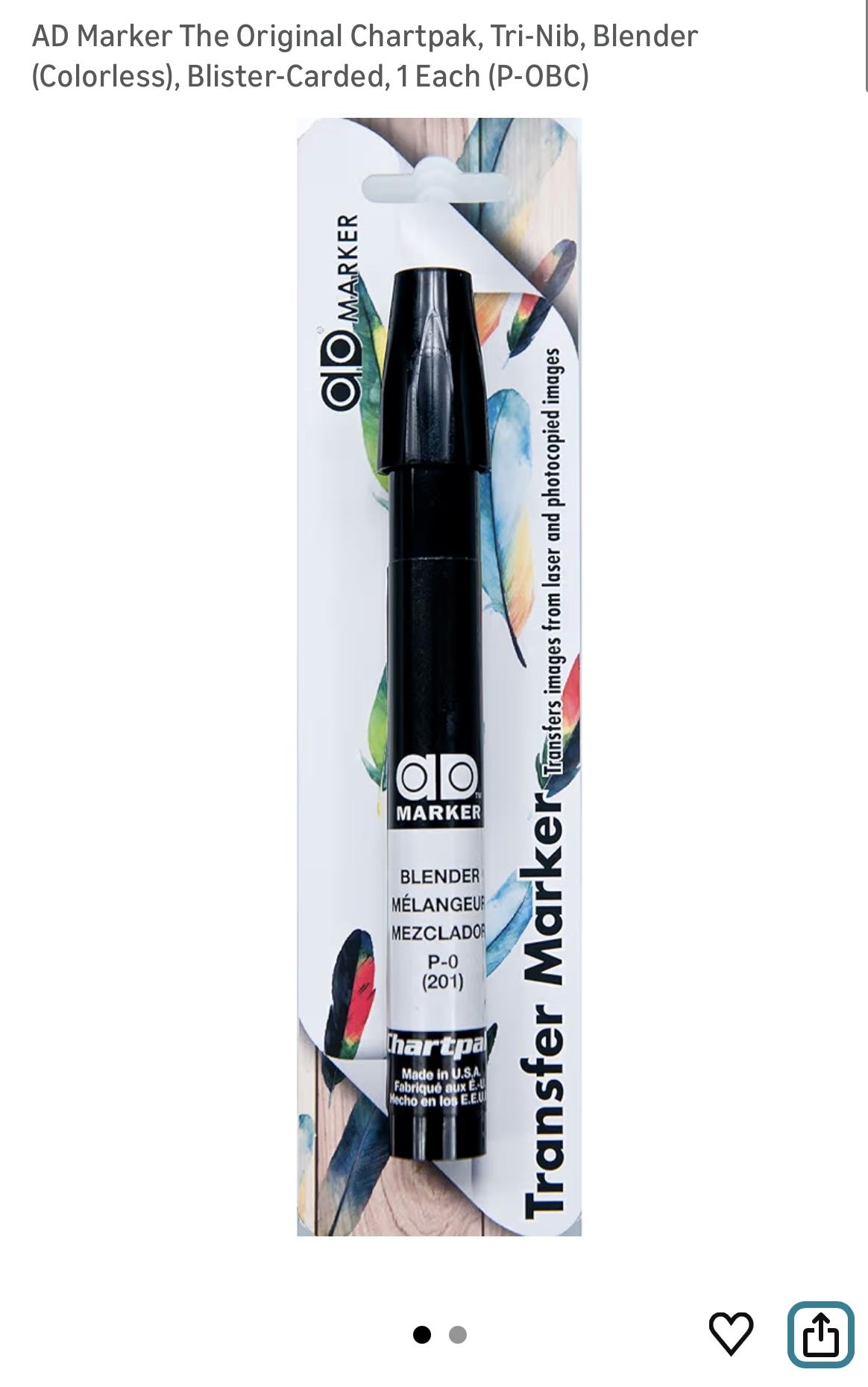
Example of transfer marker
Transfer-marker application rarely yields a perfectly clean or uniform image. Under normal viewing conditions, the transferred area typically displays:
For example, an image transferred with a single marker application exhibits significant textural irregularities, while a second pass may intensify contrast but will not eliminate the underlying artifacts. An artist attempting to disguise these artifacts may later refine the image using markers, colored pencils, or other media.
However, microscopic examination usually reveals evidence of mechanical reproduction.
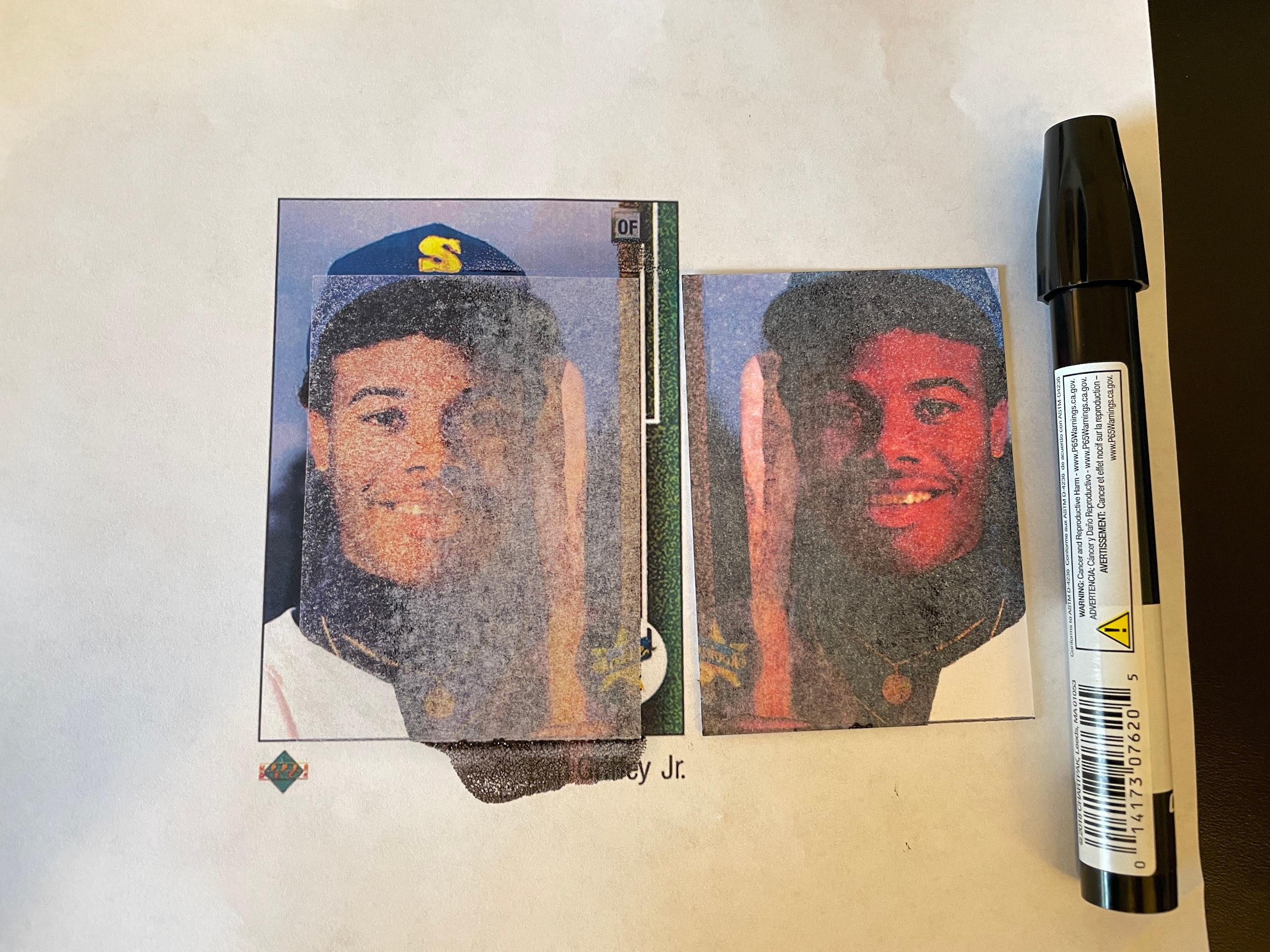
(The left card was after applying only one layer of the transfer marker. The right card after applying two.)
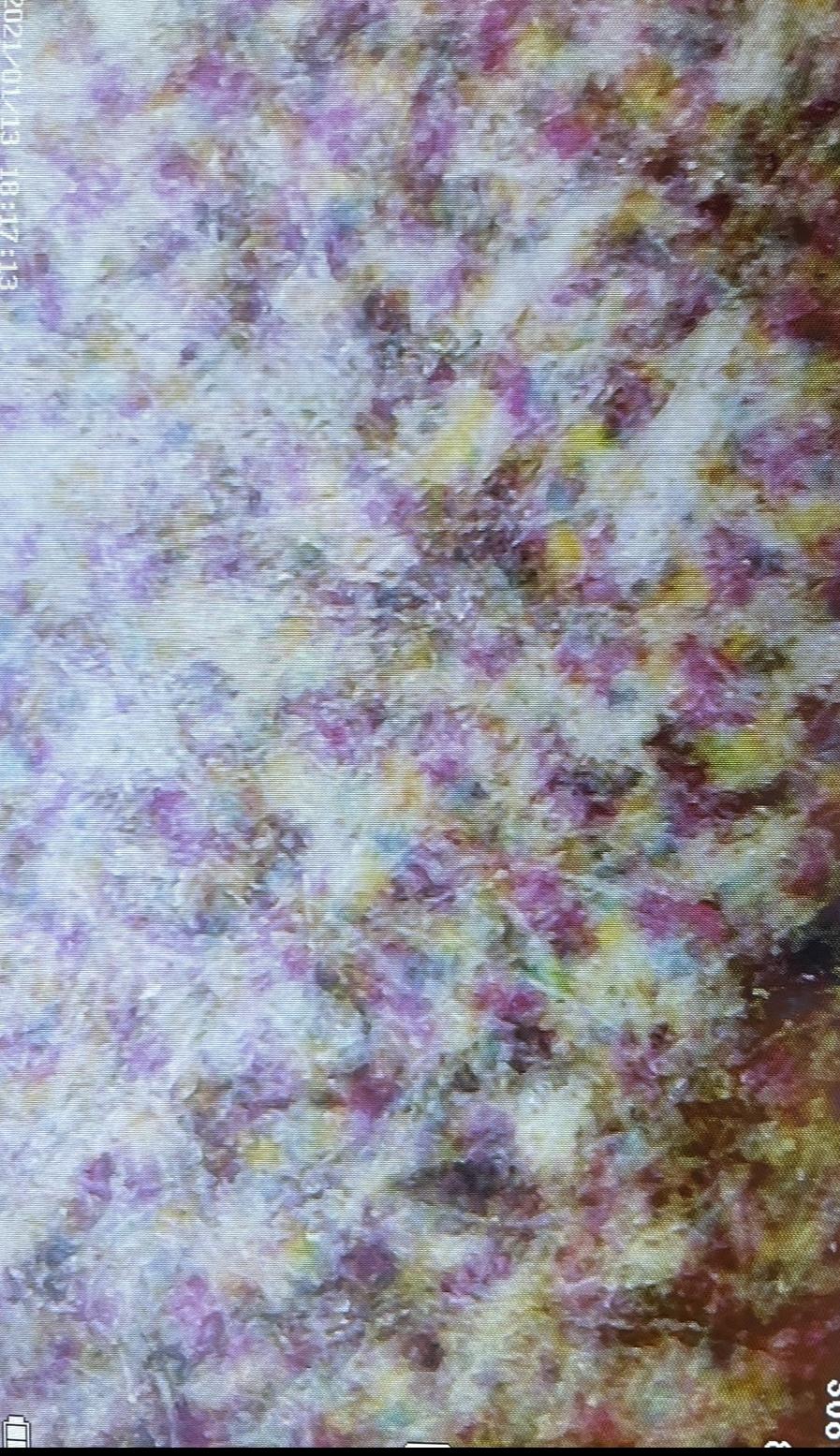
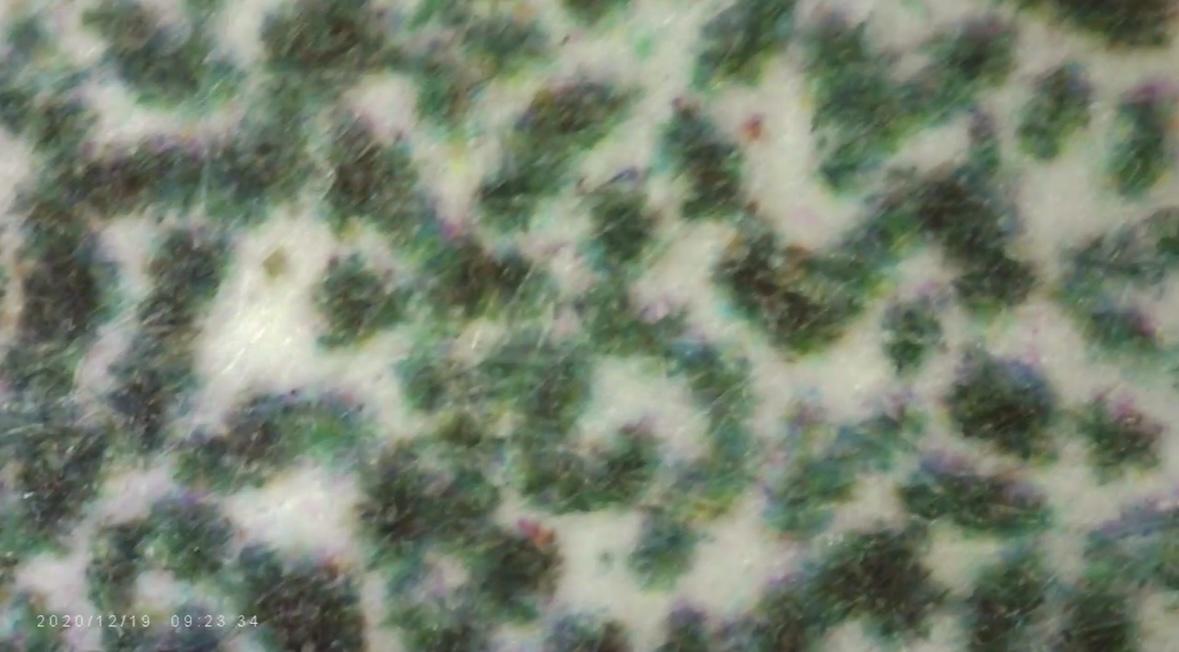
Inkjet Printing
Inkjet printers deposit pigment as visible CMYK dot patterns. Under magnification, these dots appear as discrete cyan, magenta, yellow, and black specks embedded in the transferred image. Their presence is a strong indicator that at least part of the artwork originated from a printed source.
Laser Printing
Laser printers operate through electrostatic transfer of toner rather than deposited droplets. As a result:
Nevertheless, many laser printers embed what are known as machine identification codes, visible as faint yellow microdots under ultraviolet light. These codes can sometimes remain detectable through magnification and UV examination, though not always, depending on surface treatment, card design, or subsequent alterations by the artist.
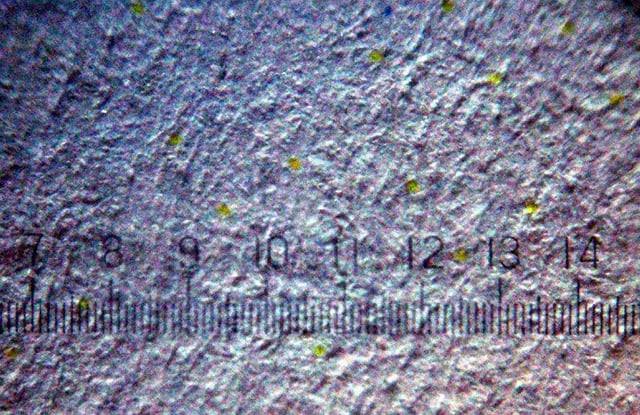
Determining authenticity is not always straightforward:
Because of these variables, collectors are encouraged to compare the suspect card with multiple samples from the same series and manufacturer.
A. Verify the Artist’s Documentation
Many legitimate artists share:
Given the ubiquity of smartphones, the absence of any process documentation may be a cause for further scrutiny. While it is true that AI can fabricate process images, transparent and consistent documentation across an artist’s portfolio still provides meaningful reassurance.
B. Exercise Critical Judgment
Collectors should remain cautious of assuming legitimacy based solely on an artist’s tenure or reputation. Longevity in the industry does not preclude the possibility of misconduct.
If a piece appears unusually polished, stylistically inconsistent, or “too good to be true,” collectors are justified in requesting clarification or supporting evidence.
Process photos that resemble pre-existing images merely filtered to appear hand-drawn should also be treated as potential red flags.
This guide illustrates only one possible method by which a counterfeit sketch card might be produced. Numerous other techniques exist, and skilled individuals may employ multiple approaches to obscure mechanical origins. Ultimately, the most reliable tools available to collectors are:
Editor’s Note: Madison kindly allowed us to share this guide with our readers. The guide was originally posted in the Star Wars Card Collectors Facebook group. If you're a fan of Star Wars trading cards, check out the group!
If you’re serious about safeguarding your art, don’t wait until there’s a dispute to wish you had documentation. Start building your proof today.
Sign up for Akrylic and securely upload your process images and videos in one organized place so you always have clear, timestamped evidence of how your work was created.
Your art deserves protection. Join now and start documenting your creative journey with confidence.